Updates
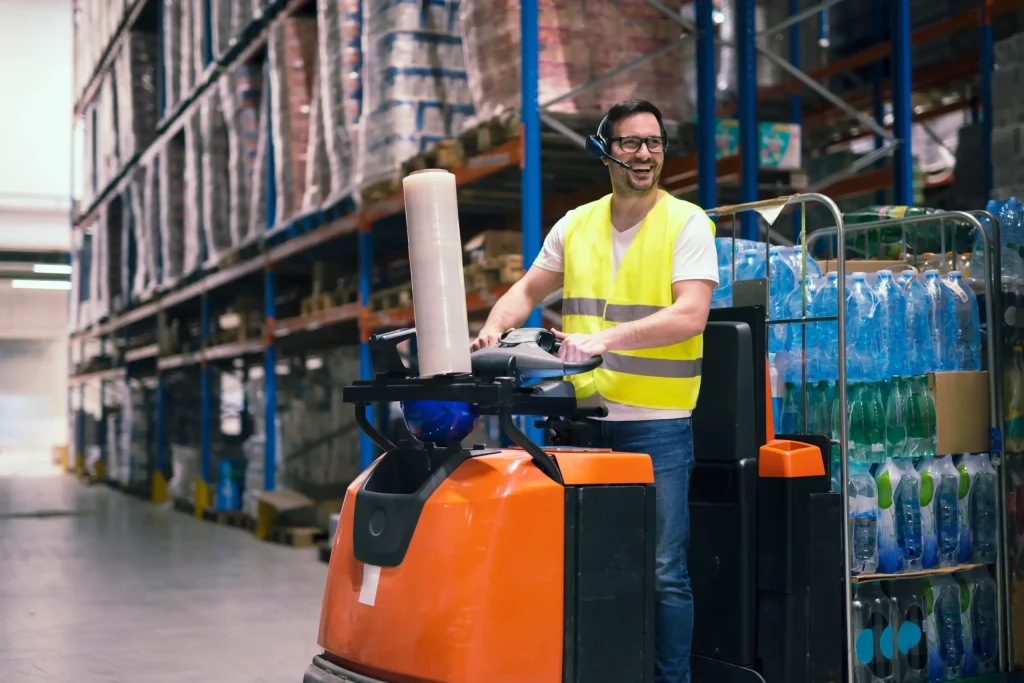
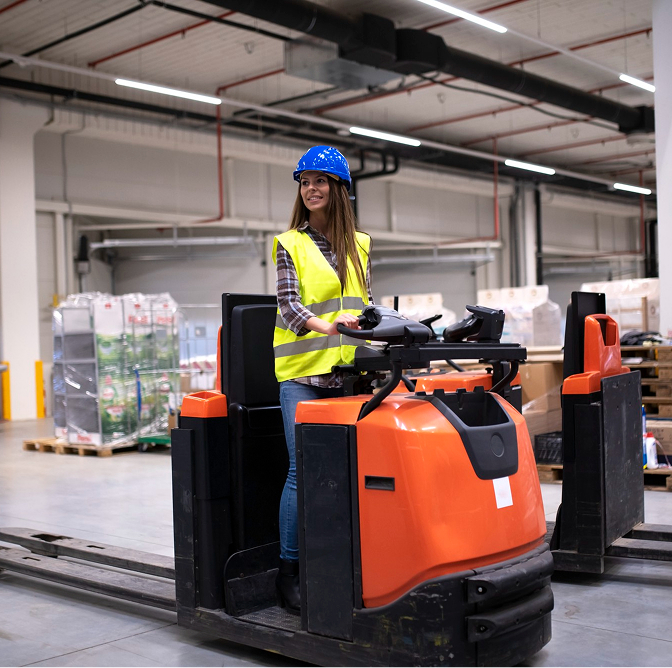
A busy warehouse has more moving parts than pallets and forklifts. Employees on foot, loading docks, storage racks, delivery vehicles, narrow aisles, blind corners, staging areas, and changing inventory can all influence how material-handling equipment moves through a facility. Choosing the appropriate forklift is important, but businesses should also consider how that equipment will interact with the warehouse itself. Traffic patterns, aisle widths, pedestrian areas, load requirements, turning space, and operator visibility can influence both productivity and workplace safety. Whether a facility is considering a traditional warehouse forklift or a smaller walk-behind option, understanding the work environment before arranging a rental can help businesses choose equipment that better matches their day-to-day operations.
Some material-handling jobs require more than simply lifting a pallet vertically. Construction sites, outdoor projects, elevated work areas, and locations with obstacles may require equipment capable of lifting materials while also extending them forward. That’s where telescopic forklifts, commonly called telehandlers, can become useful. Their extendable boom provides greater reach than a conventional warehouse-style forklift, making them suitable for specific construction and material-handling applications. However, reach, load weight, terrain, capacity, attachment requirements, operator training, and site conditions all need to be considered before choosing equipment. This guide explains when a telescopic forklift may be appropriate and what contractors and project managers should evaluate before arranging a rental.
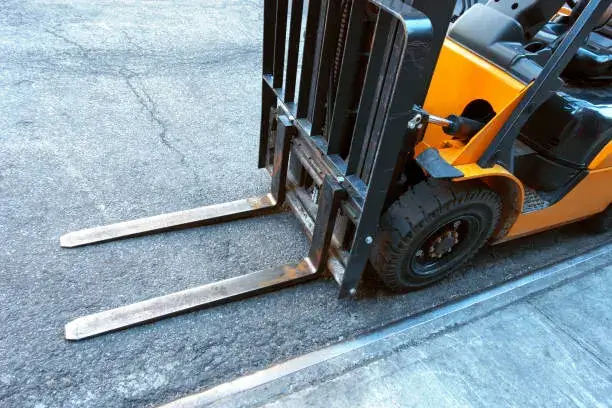
Choosing a forklift isn’t simply a matter of finding a machine that can lift a pallet. The work environment, available space, ground conditions, load weight, required lifting height, aisle width, and whether the project takes place indoors or outdoors can all influence which type of forklift makes sense. A compact forklift that works well inside a warehouse may not be appropriate for an outdoor construction project, while a telehandler designed to provide greater reach may be unnecessary for routine material handling on a smooth warehouse floor. Understanding these differences can help businesses choose rental equipment that fits the actual job instead of paying for capabilities they don’t need or discovering after delivery that the machine isn’t suitable for the work area.
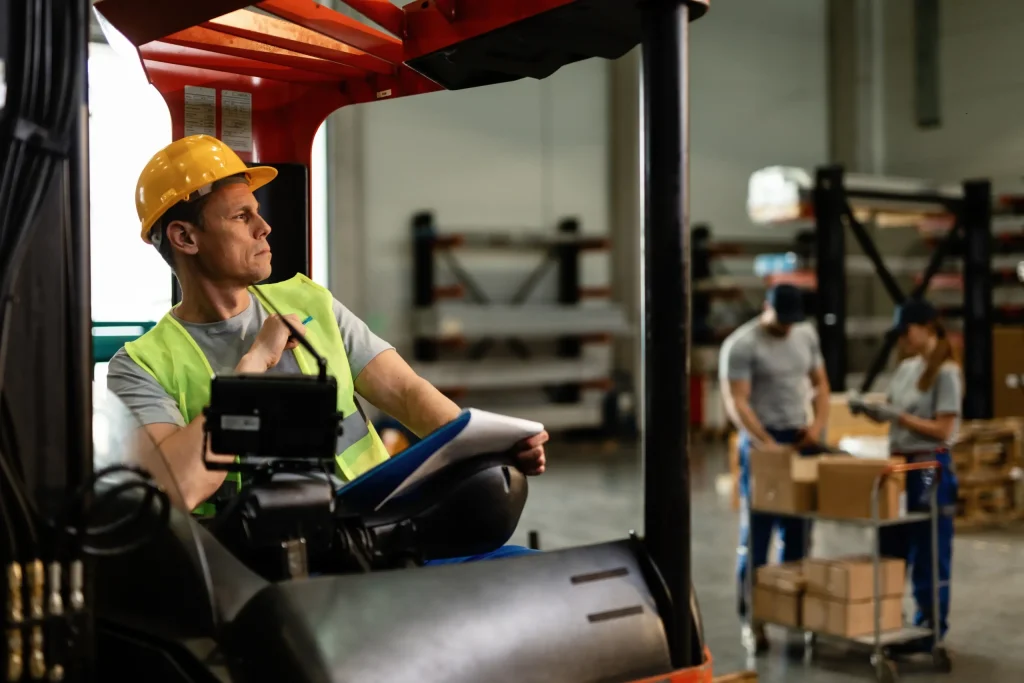
Moving heavy materials across a paved warehouse floor is very different from transporting those same materials across gravel, dirt, or a developing construction site. Standard forklifts are designed for particular operating conditions, and using equipment that doesn’t match the environment can create unnecessary challenges. A rough terrain forklift is built specifically for outdoor applications where surfaces may be less predictable than a finished warehouse floor. This guide explains when a rough terrain forklift rental may make sense, what job-site conditions should be evaluated before renting, and what contractors and businesses should consider when arranging the rental of forklift equipment for outdoor material handling.
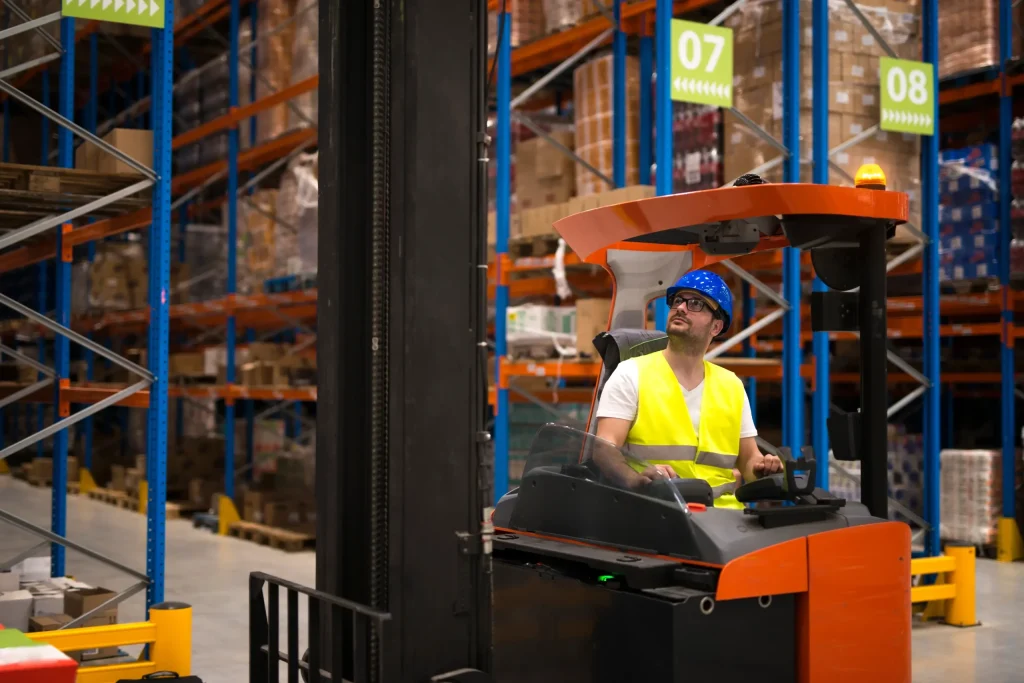
Buying a forklift may seem like the obvious choice when your business regularly handles heavy materials, but ownership isn’t always the most practical solution. Short-term projects, seasonal demand, temporary equipment shortages, changing job-site requirements, maintenance responsibilities, storage, and capital costs can all make renting worth considering. For businesses searching for a rental forklift near me, the right decision starts with understanding how frequently the equipment will be used and what each project actually requires. This guide compares forklift rental and ownership, explains situations where renting may provide greater flexibility, and outlines what to consider before choosing equipment for your next project.
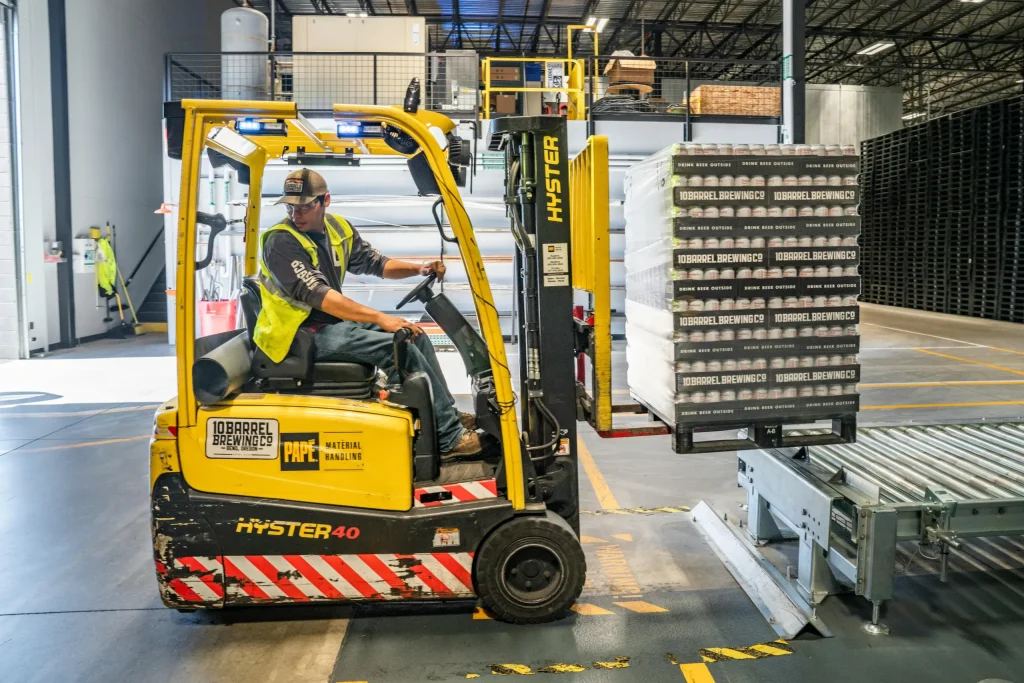
A forklift rental should make a project easier, not introduce new delays. Yet choosing equipment without considering load weight, lift height, site access, surface conditions, workspace dimensions, operator requirements, and delivery timing can create unnecessary downtime. Whether you’re unloading materials at a construction site, moving inventory through a warehouse, or handling pallets during a temporary increase in demand, a little planning before the equipment arrives can make a significant difference. This guide explains what contractors, warehouse managers, and businesses should know before arranging a rental forklift so the equipment arrives ready to support the work that actually needs to be completed.