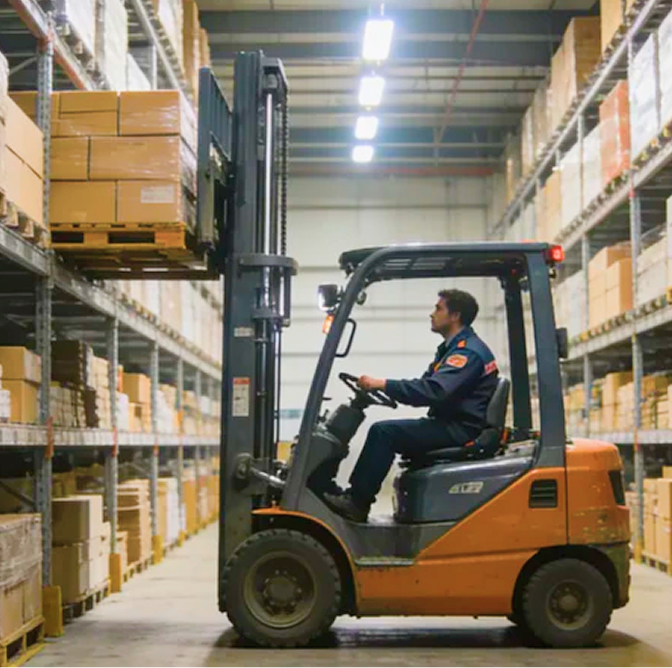
Forklifts are among the most versatile pieces of equipment used in construction, manufacturing, warehousing, agriculture, and industrial operations. They simplify material handling, improve productivity, and reduce the physical demands placed on workers. However, choosing the wrong forklift can slow down a project, create unnecessary safety risks, and even damage valuable materials.
One of the most important considerations when renting equipment is selecting the proper lifting capacity. A forklift that’s too small may struggle with heavier loads, while renting equipment that’s significantly larger than necessary can increase operating costs and reduce maneuverability.
Whether you’re looking for a heavy duty forklift rental, comparing options for a heavy forklift rental, or wondering how a Home Depot forklift rental compares with a dedicated equipment rental company, understanding your project’s lifting requirements is the first step toward making the right decision.
Understand Your Load Before Choosing Equipment
Before selecting a forklift, identify exactly what you’ll be lifting.
Important considerations include:
- Total load weight
- Load dimensions
- Pallet size
- Center of gravity
- Lift height
- Frequency of lifting
Knowing these details helps rental specialists recommend equipment that safely meets your project requirements.
Selecting equipment based solely on weight without considering load size or lifting height can result in reduced lifting capacity and unnecessary risk.
Lift Capacity Is More Than Just Maximum Weight
Many people assume a forklift can safely lift any load up to its advertised capacity.
In reality, lifting capacity changes depending on:
- Fork height
- Load center
- Attachment type
- Mast configuration
- Weight distribution
As the load moves farther from the mast or is lifted higher into the air, the effective lifting capacity decreases.
Professional rental providers help customers understand these limitations before equipment is delivered.
Heavy-Duty Projects Require Specialized Equipment
Some industries regularly handle oversized or exceptionally heavy materials.
Examples include:
- Steel fabrication
- Concrete products
- Lumber yards
- Industrial manufacturing
- Shipping terminals
- Construction sites
For these applications, a heavy duty forklift rental provides the lifting power, stability, and durability needed to move large loads safely.
Heavy-duty forklifts are designed specifically for demanding environments where standard warehouse forklifts are not sufficient.
Indoor and Outdoor Applications Differ
The environment where the forklift will operate also affects equipment selection.
Indoor jobs often benefit from:
- Electric forklifts
- Compact turning radius
- Lower noise levels
- Zero emissions
Outdoor projects may require:
- Pneumatic tires
- Greater ground clearance
- Diesel or propane power
- Higher lifting capacities
Choosing equipment designed for your work environment improves productivity and operator safety.
Consider Lift Height Along With Capacity
Lifting weight is only part of the equation.
Many projects require materials to be placed on elevated shelving, trailers, mezzanines, or upper storage racks.
Before renting equipment, determine:
- Maximum lift height
- Clearance restrictions
- Building access
- Ceiling height
Matching both lifting capacity and lift height helps eliminate delays once work begins.
Dedicated Rental Companies Offer More Equipment Options
Some customers begin by researching a Home Depot forklift rental, particularly for smaller projects.
While large retail stores may offer limited rental equipment, dedicated forklift rental providers typically provide:
- A wider selection of forklift sizes
- Heavy-duty equipment
- Flexible rental terms
- Specialized industrial forklifts
- Expert equipment recommendations
- Delivery and pickup services
For businesses with unique lifting requirements, working directly with a forklift rental specialist often provides more flexibility and access to equipment tailored to the job.
Safety Should Always Be the Top Priority
Even the best equipment requires proper operation.
Forklift safety includes:
- Pre-operation inspections
- Load stability checks
- Proper operator training
- Clear travel paths
- Safe lifting practices
- Compliance with load limits
Choosing equipment that matches the job reduces the likelihood of accidents while improving efficiency throughout the project.
According to the Occupational Safety and Health Administration (OSHA), employers should ensure forklift operators are properly trained and that powered industrial trucks are used within their rated capacities to reduce workplace accidents.
Renting Helps Businesses Stay Flexible
Owning specialized lifting equipment isn’t practical for every company.
Choosing a heavy forklift rental allows businesses to:
- Avoid major capital expenses
- Access modern equipment
- Eliminate long-term maintenance
- Rent only when needed
- Scale equipment based on project size
Rental provides flexibility while allowing companies to use equipment appropriate for each individual job.
Visit our Services page to explore our complete selection of forklift rentals, material handling equipment, flexible rental options, and equipment solutions for construction, industrial, warehouse, and commercial projects.
Professional Support Makes Equipment Selection Easier
Every project has unique lifting requirements.
Experienced rental specialists ask important questions regarding:
- Load weight
- Material type
- Lift height
- Job site conditions
- Project duration
Based on these factors, they recommend equipment that maximizes productivity while maintaining safety.
This personalized guidance often prevents costly rental mistakes.
Well-Maintained Equipment Improves Reliability
Equipment reliability directly affects project schedules.
Professional rental companies routinely inspect, service, and maintain their forklifts before every rental.
This helps reduce unexpected downtime while ensuring equipment performs safely throughout the rental period.
Dependable equipment allows crews to stay productive without unnecessary interruptions.
Visit our About Us page to learn how our experienced equipment rental professionals help contractors, warehouse managers, manufacturers, and business owners select the right forklift for every application.
Plan Ahead for Better Project Results
The most successful projects begin with proper planning.
Before scheduling your forklift rental, consider:
- Delivery timing
- Job site access
- Operator availability
- Equipment size
- Lift capacity
- Rental duration
Planning ahead ensures equipment arrives ready to support your project from day one.
Explore our Service Areas page to see where we proudly provide professional forklift rentals, heavy equipment rentals, and material handling solutions for businesses across the region.
Choose the Right Forklift the First Time
Selecting the proper forklift is about more than choosing the largest machine available.
By understanding your lifting requirements, evaluating job site conditions, and working with experienced rental professionals, you’ll improve safety, increase productivity, and complete projects more efficiently.
Whether you’re comparing a heavy duty forklift rental, searching for a dependable heavy forklift rental, or considering alternatives to a Home Depot forklift rental, partnering with a dedicated rental provider helps ensure you receive equipment designed specifically for your project’s needs.
Reserve the Right Forklift for Your Next Project
Every successful job starts with the right equipment.
At Forklift Rental, we provide dependable forklift rentals, flexible scheduling, and knowledgeable support to help businesses safely move materials and keep projects running efficiently. Whether you need a compact warehouse forklift or a heavy duty forklift rental for demanding industrial applications, our team is here to help you choose the right equipment.
Contact Forklift Rental today to reserve your forklift, receive expert guidance, and keep your next project moving safely, efficiently, and on schedule.